Category: For Historical Fiction Fans
Countdown to Baltimore
Two more days. That’s ALL! On Friday the Baltimore Book Festival begins and I will be there—meeting and greeting readers in the Maryland Romance Writer’s tent at NOON on Friday (September 28th), then participating in four phenomenal panel discussions over Friday and Saturday. Will YOU be there too? I sure hope so! I will be keeping a sharp eye out and I hope—friends, fellow writers and readers—you will make yourself known with a big hello! Click here for a reminder of my schedule of appearances, festival hours, etc.
Interview with Erika Robuck Author of “Hemmingway’s Girl”
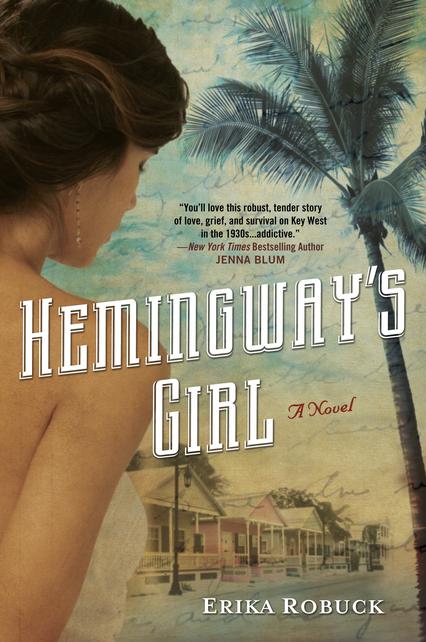
It is my very great pleasure to welcome fellow NAL author Erika Robuck to the blog today for the second in my “Get to Know the Authors I Know” series. Erika’s debut, Hemingway’s Girl released earlier this month.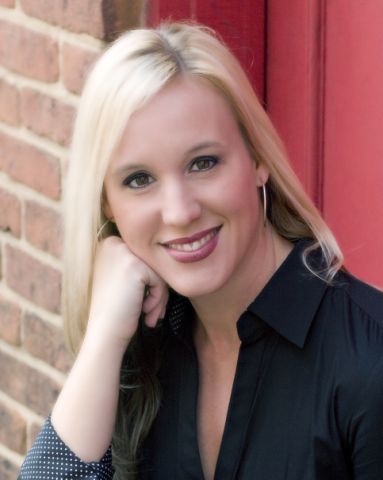
Set in Key West in 1935, Hemingway’s Girl centers on a young woman named Mariella Bennet who takes a job as a housekeeper for Ernest Hemingway and his second wife, Pauline, in order to support her widowed mother and to realize her own dream of starting a charter fishing boat business. Mariella quickly becomes entangled in the tumultuous world of the rich, their friends, and a marriage doomed for failure. Torn between her infatuation with the writer and relationships with a WW1 vet and a boxer, Mariella soon learns that she may be in over her head on all fronts.
1) Erika, Your book tells the story of Mariella Bennet, a fictional maid hired by Ernest Hemingway’s second wife. Is this book really her story or Papa’s?
Mariella is such a feisty, colorful character, that she stole the show about halfway through my first draft. She has a formidable opponent in Ernest Hemingway, but he never overshadows her.
2) Are you a big Hemingway fan yourself?
I am obsessed with Hemingway, and have been since I was nineteen years old and first read his work, just like my protagonist.
3) Where have you traveled for inspiration and research for Hemingway’s Girl?
My travels began in Key West at his house. I later flew up to Boston to the JFK Museum where 90% of the Hemingway archive is kept. I’m hoping my journey eventually takes me to his grave in Ketchum,Idaho.
4) Truth is often stranger than fiction. During your research for Hemingway’s Girl what was the most unusual or unexpected thing you discovered?
By far, the most unusual and disturbing story I found was of a Key West resident named Count Von Cosel, who faked being a doctor, fell in love with a tuberculosis patient decades his junior, and mourned her death so terribly that he exhumed her body and kept it in his house for years by rebuilding it with wax and preservatives. When the body was discovered, it was put on display for
several days so the residents of Key West could see it, before being returned to a secret grave in the cemetery where she was originally buried. The most bazaar detail about the story is that the residents of Key West thought that what he did was tragically romantic. The Count makes an appearance in Hemingway’s Girl.
 5) Who is your favorite character in Hemingway’s Girl? Who is your least favorite? Why?
Wow, that’s a very hard question. My knee jerk response for my favorite was Hemingway, but then it became Mariella, and then Gavin the boxer, and then John the legless WWI veteran. I can’t pick because they are so vividly alive for me, and I love them all. If I had to pick my least favorite, it would have to be Hemingway’s second wife Pauline, who had an affair with Hemingway while he was married to his first wife, but I do have a degree of sympathy for her.
6) Can you share a secret about your book (or the writing of it–something that readers can’t discover from the text itself?
Yes, and my critique partner, Kelly, is going to kill me for this: In the scene where John tells Mariella that his fiancée had sent him a ‘Dear John’ letter in the mail while he fought in WWI, Mariella tells him she’ll bash in the girl’s legs with a bat if he’d like. Those were the exact words Kelly said to me when an agent had strung me along with my first novel and ultimately passed after I
spent thousands of dollars on an editor. It made me laugh so hard that I had to include it.
7) As someone who came to writing as a second career herself I am always interested in how people become writers. How did it come about for you?
In my first life I was an elementary school teacher, but when I had my firstson I left teaching to stay home with him. As his naptimes became regular and lengthy, I finally found time to devote to writing, which I’d done as a hobby
my whole life. It became a wonderful outlet for me that grew and grew until now, when it is a career. I’m very blessed.
8 When you write are you a plotter or a panster?
I’m a definite plantser. I make detailed timelines of historical events, but once I draft, I allow myself freedom with my characters within the confines of historical truth, of course.
9) Which is most likely to spark the idea for an Erika Robuck novel—a time period, a specific event or a character?
A character, usually connected to a location, sparks my ideas. For my first novel, it was a visit to the Caribbean that
set my imagination on overdrive wondering what it would be like to inherit an abandoned, haunted plantation. When I visited Hemingway’s Key West house, I was overwhelmed with ideas for scenes as I walked through each of his rooms. Reading about how much Hemingway hated Zelda Fitzgerald inspired me to learn more about her, and to visit the places in Baltimore where she and F. Scott had been.
10) Authors of historical novels walk a line between known historical facts and fiction. Where do you draw the line on your personal map between accuracy and imagination?
I try to be absolutely true to the time and the events of the subject’s life. Any flexibility I utilize is found in my fictional protagonists’ stories. If I’m aware of any specific inaccuracy or ambiguity, I mention it in a Reader’s Note
11) Do you have a special writing spot—a lair perhaps where you like to do your work? Is there a picture you could share?
I prefer to write at my desk, in my office, surrounded by artifacts, photographs, and posters of Hemingway and Zelda. I listen to classical music while I work, and always have a mug of coffee or tea within reach.
12) If you could read any book again for the first time, what would it be and why?
I would love to read POSSESSION by A. S. Byatt again for the first time. Her novel about scholars researching dead poets and their love affair is written in prose and poetry, in the present and in the past. The poetry is from two different characters and has two distinct styles, and every word has weight. I had assumed they were real poets and real poetry until I found out that Byatt
had created it all. Every last word. I bow to her as the master. Also, the ending was so evocative that I threw the book across the room and cried.
13) What are you working on now?
I’m working on another historical novel featuring the poet, Edna St. Vincent Millay, as a character. Expect scandal, drama, betrayal, and views of the creative process as redemption.
Thank you Erika for those insights into your novel and your writing process! Readers, if you live in the metro-DC area, Erika will be in Arlington, VA at “One More Page Books” for a signing on September 26th (yes, two days from now). I for one plan to be there 🙂
About Erika: Erika is a contributor to popular fiction blog Writer Unboxed and maintains her own historical fiction blog called Muse. She is a member of the Maryland Writer’s Association, The Hemingway Society, and The Historical Novel Society. She spends her time on the East Coast with her husband and three sons. Her next novel, Call Me Zelda, is scheduled to release in 2013. To learn more about Erika visit her website.
Interview with Nancy Bilyeau, Author of The Crown
It is my very great pleasure today to welcome friend and fellow historical fiction writer Nancy Bilyeau to the blog. Nancy’s riveting historical thriller The Crown released in paperback earlier this month. Critically acclaimed since its hardcover debut in January, “O” (The Oprah Magazine) called The Crown, “A juicy blend of lust, murder, conspiracy, and betrayal.” I’ve read it. O is right.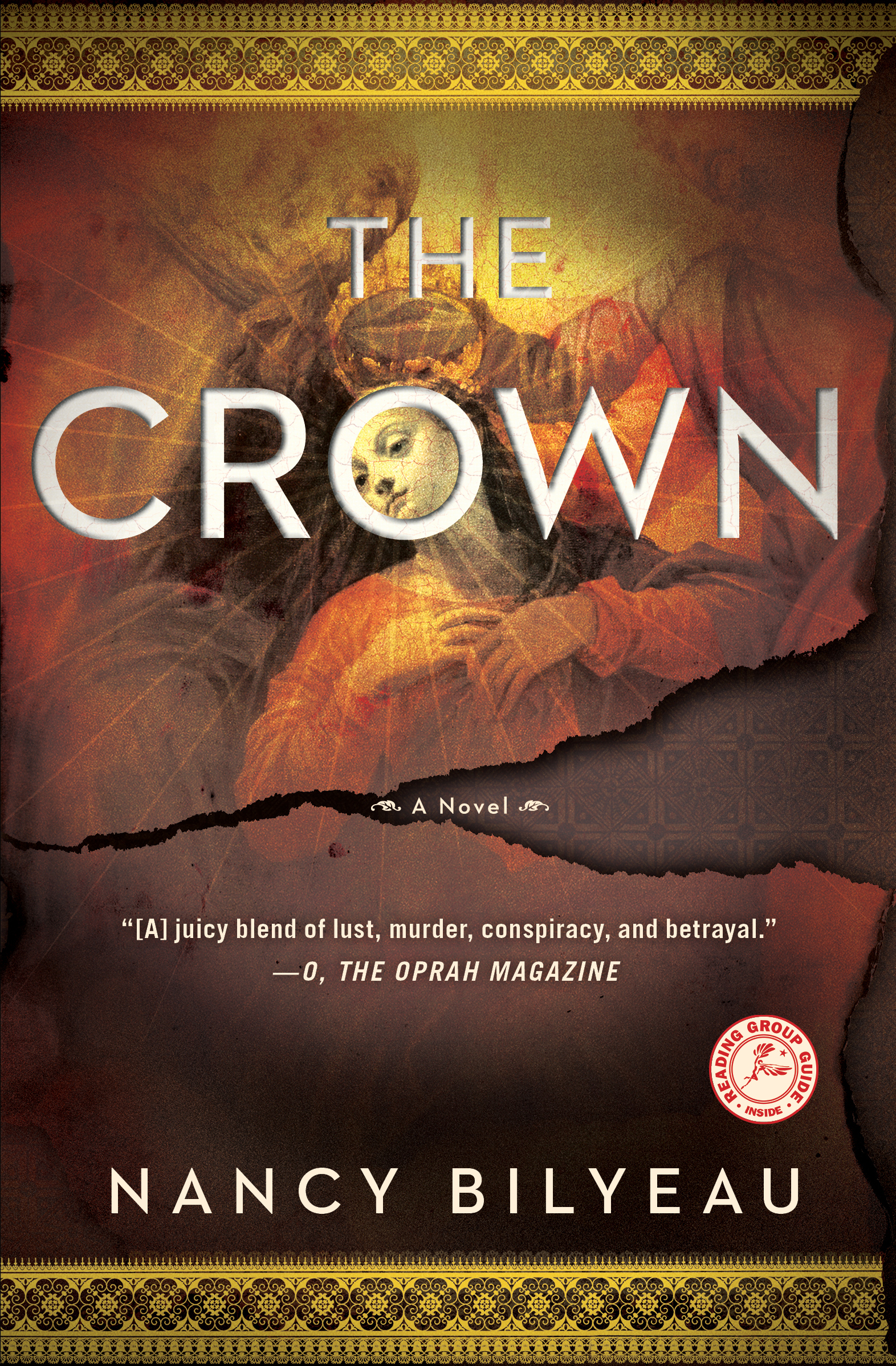
First a blurb to tantalize you: London, May 1537. When Joanna Stafford, a novice nun, learns her cousin is about to be burned at the stake for rebelling against Henry VIII, she makes a decision that will change not only her life but quite possibly, the fate of a nation. Joanna breaks the sacred rule of enclosure and runs away from Dartford Priory to bear witness to her cousin’s execution.
Arrested along with her father at the site of the burning and sent to the Tower of London, Joanna finds herself a pawn in a deadly power struggle. Those closest to the throne are locked in a fierce fight w those desperate to save England’s monasteries from destruction. Charged with a mission to find a hidden relic believed to possess a deadly mystical power, Joanna and a troubled young friar, Brother Edmund, seek answers and clues across England.
And now some questions to take you behind cover-copy (and it’s no exaggeration to say Nancy reveals some things here she has never told readers before):
1) What inspired you to choose a fictional Dominican nun as the heroine of The Crown?
I first chose to set a book in the 16th century—simply because it is my favorite century from history. I love mysteries and thrillers, and wanted to attempt to write one with a female protagonist. It took me a long time to figure out who would be the person. I didn’t want a royal or lady in waiting, yet someone living in a Tudor village, I feared it would be too hard to inject that woman into conflict that rises to the level of a thriller. A nun struggling for her future in the middle of the Dissolution of the Monasteries—when the Catholic Church was being violently dismantled—could be quite compelling. Finally, I picked a Dominican because there was only one such order in England, and that made it special.
2) I found it refreshing that Joanna stayed “in character”—true to the religious sentiments one would expect a 16th century nun to have. How difficult was it for you to achieve that? Do you think it was a risky choice given you are writing for a modern—and generally rather skeptical—audience?
One of my pet peeves is characters in historical novels who have modern sensibilities. It’s the easy way out. There is some strange part of my personality that compels me toward the most difficult choices. Sometimes I wish it were otherwise! But as soon as I decided on a nun, I was determined to make her authentic to the spiritual values of the period. I didn’t want to write a book with a reluctant nun who is forced into it by her father or retreats to a priory after rejection by a man. Again, that’s the easy way out. I did worry that readers would be turned off by a spiritual woman but I’ve not seen that reaction. Readers of historical fiction are eager for authentic behavior, I’m more convinced of that than ever. Commit anachronisms at your peril!
The way I tried to achieve it was reading what women in religious orders actually wrote: Catherine of Siena, Hildegarde of Bingen, Teresa of Avila. That helped get me in the proper mood. Also a writing teacher recommended I research the lives of the early female Catholic saints, the ones who were torn to pieces in the Roman Coliseum or who became martyrs in the Dark Ages and medieval period. The thinking of these women is about as far from a 21st century mindset as you can get. Just fascinating.
3) Your book doesn’t shy away from the unsavory sights or the more malodorous smells of life in Tudor England. In fact, in Joanna’s opening trip to Smithfield the revolting plays a large role. Of course accurate historical details help bring readers to a specific place and time, but I was struck by your very evident emphasis on the unsavory at the beginning of the book. Why specifically did you choose to highlight the grimy side of the 16th century?
I’ve written screenplays and that is a key part of what I like to do: Write visually. It’s not just dialogue and direct character action. I try to do all the research so I can put you on the street, inside the priory cloister, in a barge on the Thames. I wanted to time-travel the reader from the very beginning: You are on your way to Smithfield on execution day in May of 1537, you’re scared and you’re hungry and you’re exhausted—but still resolute. This is what it would feel like, smell like, sound like. Even taste like.
4) Besides Joanna, who is your favorite character in The Crown? Who is your least favorite? Why?
Brother Edmund is my second favorite—I like to think that he is a pretty original character and for some reason I have tremendous sympathy for him. He’s a mix of strengths and weaknesses. I tried my best to make all the characters nuanced. I don’t like two-dimensional people hurtling through thrillers. Or characters with worn-out identifying descriptions: a natural beauty, a strong-jawed man. Ugh.
My least favorite character? Hmmmm. That’s an interesting question. Did I create a character I personally would dislike? Apart from George Boleyn—and I can’t give away why I wouldn’t want to have encountered him at a tender age, or else that would be a spoiler—it would have to be the young prioress. She was inspired by a boss I once had—a very difficult one. In fact, I drew on my personal work history, my years in the magazine business, when depicting life in the priory. I thought about it a lot, and decided that though the stereotype of a nunnery was of graceful, serene ladies floating down the halls in harmony, I imagined that there would be the rivalries and tensions found in any group of people essentially working together, and in this case living together too. I was very happy to receive an email from a Dominican nun and two emails from friars that said I captured correctly the essential feeling of life in an enclosed religious community. 
5) Where have you traveled for inspiration and research for The Crown?
I’ve traveled to most of the places that Sister Joanna Stafford travels to: Dartford, Smithfield, and the Tower of London. Even though the present Tower is closest to what it was in the 1530s, I felt most connected to Joanna in Dartford, in Kent. I walked along the remains of the stone wall that once surrounded the priory of sisters. That is all that remains.
But since I live in New York City, my research trips to England can’t happen as often as I’d like. For inspiration closer to home, I go to the Cloisters Gardens and Museum of the Metropolitan Museum of Art. For anyone who hasn’t had a chance to visit, go! The Cloisters was assembled in the 1930s from a series of medieval French abbeys that they brought over, brick by brick. The re-created rooms are filled with paintings, sculpture, and exquisite objects contemporary to that time. In fact, I got the idea for a murder weapon in The Crown while walking through the Cloisters! I’ve never told any other interviewer that.
6) Truth is often stranger than fiction. During your research for The Crown what was the most unusual or unexpected thing you discovered?
There were certain things I discovered about King Athelstan, the dark ages Saxon monarch, that really surprised me. As much as the Tudor monarchs are over-exposed in some people’s eyes, Athelstan is under-exposed. He arguably was the first king of Britain after he won a enormous battle against the Vikings and the Scots—and no one even knows where the battle was fought. There’s also the question of his sexuality. So interesting.
7) Authors of historical novels walk a line between known historical facts and fiction. Where do you draw the line on your personal map between accuracy and imagination?
My book is not the kind of historical fiction that tells the story, with imagination and new insights, of famous people who once lived. Some “real” people populate The Crown, but most of the characters are from my imagination. And my thriller plot is rather audacious—that’s what folks tell me. So I mixed the carefully researched truth with the fantastical on many pages.
8. Is there anything you’d like to tell us about the Tudor period which even avid readers of Tudor-era fiction might not know—perhaps a preconception you’d like to overturn?
I had no religious or political agenda whatsoever when I started researching this book. But the deeper I got into it, the more I became convinced that the stereotype of a decaying Catholic church that had lost its relevance was wrong. History certainly was written by the winners when it came to the English Reformation. Dartford Priory, where I set most of the book, was a vital center of intellectual achievement and pious observance. Also there was an infirmary in the town run by the priory as well as an almshouse for the poor, and local girls were taught to read there. All that was eliminated when the priory “surrendered” to the will of Henry VIII and the sisters were turned out.
9) Which is most likely to spark the idea for a Nancy Bilyeau novel—a time period, a specific event or a character?
Time period. I am drawn to the time and place, and after that the characters come. Hmmmm. Is that unusual?
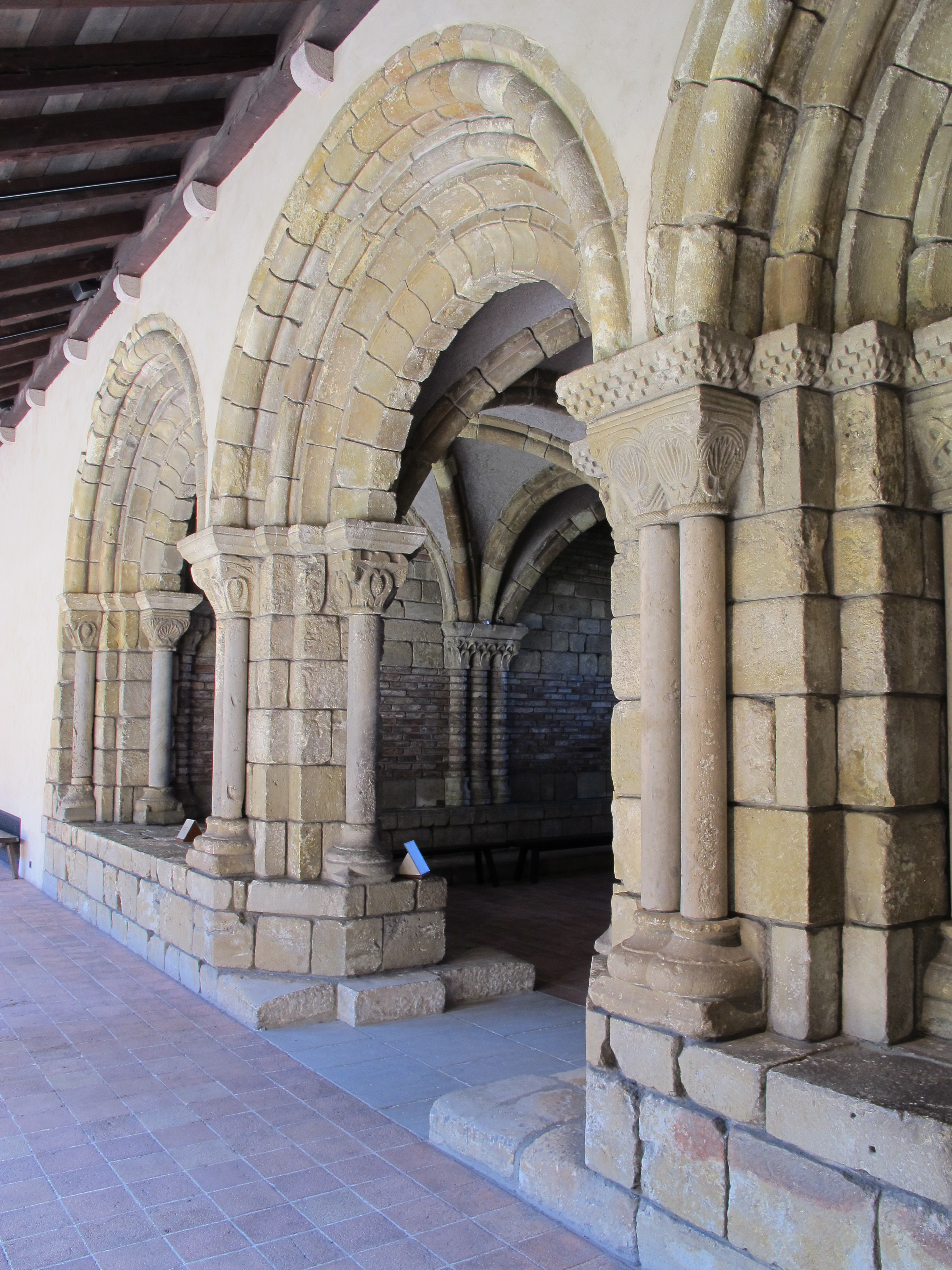
I’d give anything for a lair. I wrote The Crown at the New York Public Library, my kitchen table and various Starbucks. But when I had to write a key scene and needed to get into the mood, I would pack up the laptop and head for The Cloisters. The perfect environment. However, the battery on my laptop would run out in two hours and there are no plugs for writers. Still, I’d take it to the chapter house and sit on the stone “bench” and tap away furiously till the power drained – or the guards started coming after me.
11) If you could read any book again for the first time, what would it be and why?
Rebecca. I read it first when I was in high school and it made a deep and lasting impression on me. I’d like to feel the thrill of some of those revelations again. Since then I’ve re-read it at least six times and come away with a boundless respect for Daphne du Maurier’s craft and also I am so curious about some things in the book. For instance, when Max de Winter tells his second wife that on their honeymoon, Rebecca, laughing, her black hair blowing in the wind, told him things about herself “that I would never repeat to a living soul,” I would love to know—What are those things?
12) I know you are hard at work on the next book in this series, The Chalice, can you share a bit about the new book?
It’s my sequel to The Crown. It’s darker in some ways, with even higher stakes. More executions. And more romance too.
13) In The Crown a Joanna brushes elbows with a number of famous historical characters like Catherine Howard and Stephen Gardiner, Bishop of Winchester, can we expect more cameos from the rich and famous in your sequel? Who might we meet?
Oh I had such a fantastic time researching the “real” people of the time. Gardiner returns, of course; this time Joanna encounters not one but two women who marry Henry VIII. There are a number of aristocrats of the time who played very important parts in history but are not often written about—I put them to work in The Chalice. And finally, Joanna comes face to face with none other than Thomas Cromwell.
About Nancy: Nancy Bilyeau is a writer and magazine editor who has worked on the staffs of InStyle, Rolling Stone, and Ladies’ Home Journal. She is currently the executive editor of DuJour magazine. She was born in Chicago and grew up in Michigan, earning a bachelor’s degree from the University of Michigan. Now she lives in New York City with her husband and two children. The Crown was nominated for an Ellis Peters Historical Dagger Award 2012 by the Crime Writers’ Association, given to Best Historical Crime Novel. Nancy has finished writing a sequel to The Crown, which is called The Chalice.
I am a Guest at What Women Write (and I Choose to Write About Men—Go Figure)
Today I am lucky enough to be the guest blogger over at the terrific What Women Write. I am talking about the measure of a man—or at least “H”istory’s measure—and taking issue with the traditional definition of success. Stop by and read all about it.
Of if you are in the mood to find out what advice I would give my pre-book-launch self if I had a time machine, stop over at fellow historical author Erika Robuck’s blog. She’s doing a six month anniversary interview with me.
Watch This Space
No, seriously. Watch it.
This Friday I will inaugurate a series of interviews called “Get to Know the Writers I Know” with a guest appearance by Nancy Bilyeau, author of The Crown. Then ten days later I’ll be speaking (well, you know what I mean) with Erika Robuck, author of Hemmingway’s Girl. As you may suspect from what I’ve posted in this space (or as you know for certain if you’ve ever met me) I am not shy, so you can expect some probing questions and interesting answers.
Meet Me at The Baltimore Book Festival!
I am pleased to announce that I will be a presenting author at this year’s Baltimore Book Festival. If you love books and live within driving distance of Charm City you owe it to yourself to participate in this celebration of all things literary. The Baltimore Book Festival is jam-packed with opportunities to meet authors, learn about the genres that interest you, and (for writers) improve your craft. During the course of three days more than 200 authors will appear on eight stages.
Here are the practical details:
Dates: September 28, 29 and 30, 2012
Hours: Friday and Saturday, 12-8pm and Sunday, 12-7pm
Location: Baltimore, Maryland, in historic Mount Vernon Place (the closest landmark is The Walters Art Museum, located at 600 North Charles Street, 21201)
Admission: The Baltimore Book Festival is 100% FREE!
I hope to see lots of fellow historical fiction devotees (both readers and writers) at the festival. If you are interested in meeting me, hearing me speak, and/or getting your copy of The Sister Queens signed, here is my personal schedule:
Friday, September 28th
I will be attending the “Author Meet and Greet” in the Maryland Romance Writer’s tent at NOON (12:00 p.m.)
At 1:00 p.m. I will be on the Maryland Romance Writer’s Stage discussing “Getting the Courage to Write.” Thinking of writing as a second career? Always dreamed of being an author? I and my fellow panelists will be providing tips for making the transformation. Come prepared with questions!
Saturday, September 29th
I will be participating in THREE exciting panels on Saturday (again, all on the Maryland Romance Writers Stage)
First, at 1:00 p.m., I’ll be sharing the stage with a collection of fantastic authors, including historical novelists Kate Quinn and Stephanie Dray, for a discussion of what defines women’s fiction and how it differs from romance. We will also be offering readings from our latest works and giving things away.
At 4:50 p.m. I will be participating in a panel called “Trends and Readings in Historical Fiction.” Interested in where historical fiction is headed next (new time periods, the exploration of lesser-known figures)? Then you won’t want to miss this presentation.
Finally, at 5:45 p.m. I have the opportunity to close out my festival participation with my FAVORITE presentation — Sex and Historical Fiction Novelists. Is there a trend towards more sex in straight historical fiction these days? What role can sex scenes play effectively in historical novels? What preconceptions do we, as readers and writers, have about the sexuality of the past, that may not stand up to historical reality? This panel, which also features the amazing Stephanie Dray (Lily of the Nile, Song of the Nile) and Kate Quinn (Mistress of Rome, Daughters of Rome, Empress of the Seven Hills), rocked the house (or rather the Barnes & Noble) in Northern Virginia in April. If you missed it then you will not want to miss it now. All three of us will have something to giveaway at the discussion’s end.
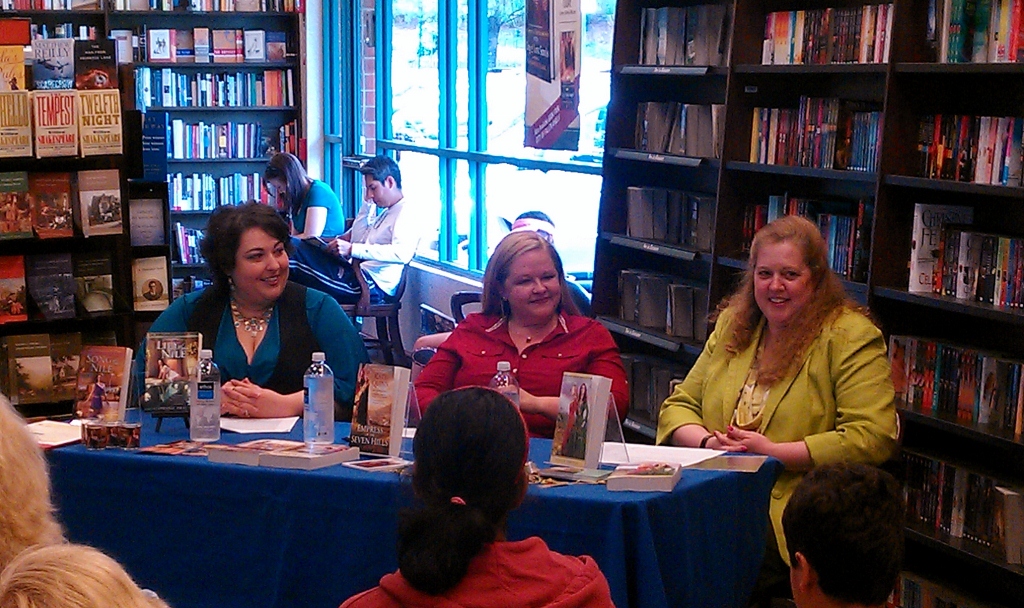
(Click here for the full schedule at the Maryland Romance Writers Stage – some SUPER historical fiction, women’s fiction and romance writing talent will be featured)
Hope I’ve tempted you to mark your calendar! I can’t wait to see you!
Happy to Be Part of the Historical Fiction Hop!
Fall is in the air. Cool weather is around the corner and you know what that means—curling up in comfy chair with a good book. If you’re like me “good book” is basically a synonym for “historical novel.” So, in honor of the many lovely hours of autumn reading to come I am participating in the “Partial to the Past Historical Fiction Giveaway Hop,” hosted by Holly of Bippity Boppity Book.
The Hop, dear reader, is your chance to enter not one but TWENTY separate book giveaways. It’s a historical fiction lover’s dream. All the wonderful bloggers and authors participating in the hop have goodies to share. For example, Holly at Bippity Boppity Book is giving away a 3 book prize pack including Outlaw by Angus Donald, The Eagle and the Raven by Pauline Gedge and the just-released The Second Empress by Michelle Moran. While Judith Starkston is giving away four copies of her novel, Rubies of the Viper.
I am offering a fantastic threesome of books all by “Book Pregnant” authors and all signed — my own historical debut, The Sister Queens (click on the title for an enticing description of the book), Nancy Bilyeau’s historical thriller The Crown, and Anne Clinard Barnhill’s At the Mercy of the Queen. To enter use the rafflecopter below then hop on over to other hop-stops (listed below the entry form) and enter to win MORE fantastic books. Who knows, you could end up with a phenomenal autumn TBR pile for free 🙂
Clothing Makes the Man (or Woman) – A Plea for a Return to A More Civilized Dress Code
I’ve been thinking about the power of clothing.
I do this a lot because I am both a) rather strangely obsessed with historical clothing and b) profoundly dissatisfied with how we dress in modern times. Look around you – almost nobody looks spiffy. Rather, nearly everyone looks like they thought they would be spending the day lolling about on the floor of a college dorm room ( even the 50 year old executives on the metro on “casual Friday”) or like they’ve been under the weather so they never quite got out of their sweats.
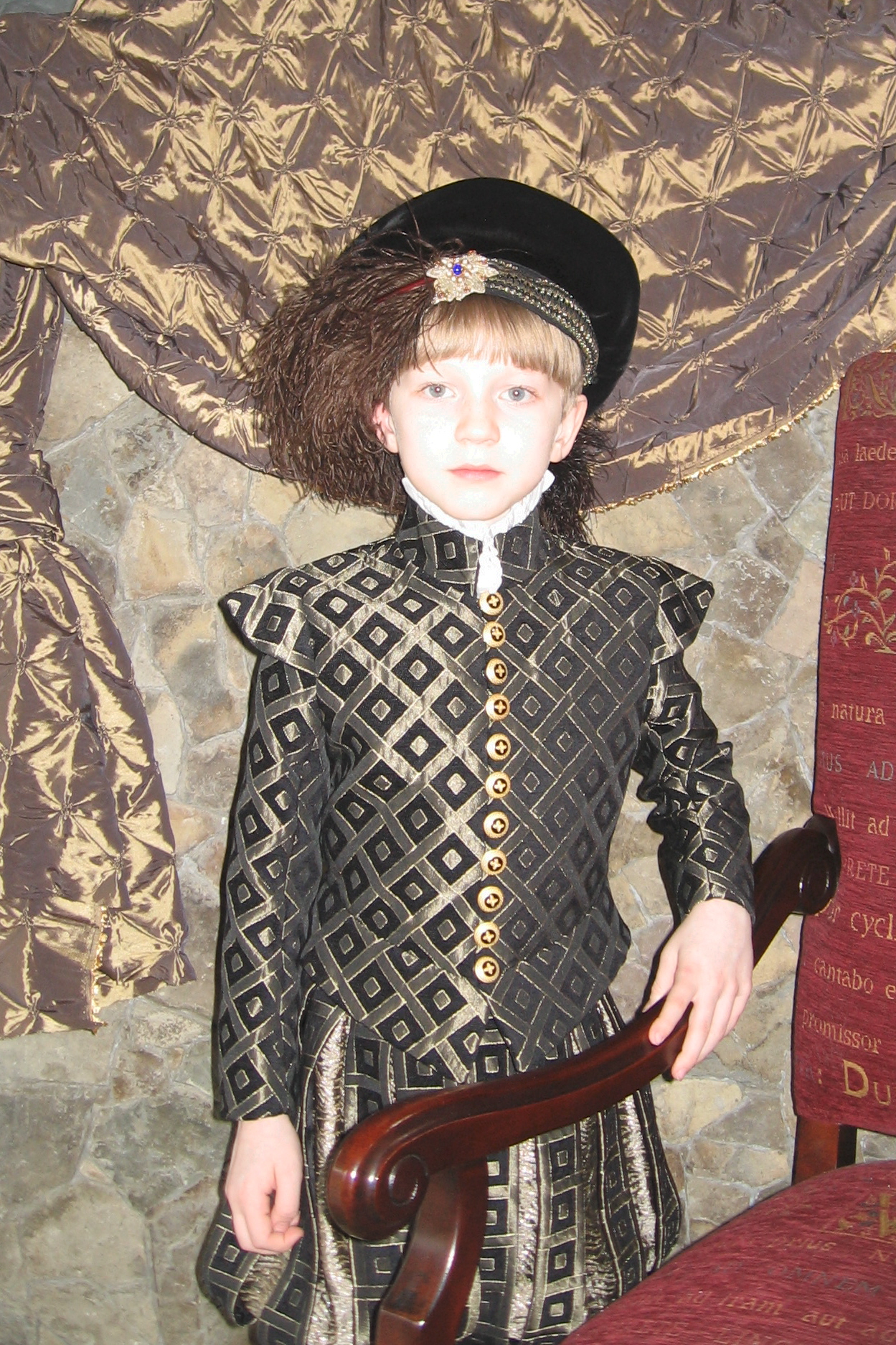
It used to be that clothes reflected a person’s status. Sumptuary laws made certain that only those at the top of the pecking order were allowed to wear certain materials. You knew a king when you saw one. I am not advocating a return to class-distinction by wardrobe. By no means. But who would have predicted when dress was democratized that a race to the bottom would begin? Yet today, after hundreds of years during which tradesmen and later the middle class tried to dress up a socio-economic level (or two), people willingly leave their homes in such a slovenly state that, but for their hygiene and the fact they have their teeth, they could pass for peasants.
All this “casual” dress is done in the name of comfort, but there is no reason in the world why nice, properly pressed clothing can’t be comfortable. And if it is not as comfortable as just throwing on any old rumpled thing, isn’t personal pride worth a modicum of sacrifice?
Yesterday over at Steampunk.com there was a discussion of the 2013 Prada Fall/Winter line. They were, of course, interested in the steampunkiness of the collection but I saw lots of historical references in the garments. I was struck by just how good the models all looked—even Willem Dafoe who has looked slightly seedy and decrepit for years. They look powerful, confident, sharp and generally more attractive then when you see them in modern clothing (go ahead, Google Gary Oldman and compare an image of him in street clothing to those of him in the Prada). This confirmed something I’ve suspected for a long time—almost everyone looks better “dressed-up” (as in properly, neatly and relatively formally attired).
If you want further proof compare pictures from people in your own life when they look “thrown together” with those where they are “sharply dressed.” I mean there is a reason we tend to put on more formal clothing for auspicious occasions—we want to look our best. You didn’t wear flip flops, sweats and a tee-shirt for your wedding right? (please, PLEASE tell me you didn’t). To illustrate my point, here are two pictures of the same young man (a daughter’s boyfriend). In the first he is dressed in typical college wear, in the other in a vintage bespoke 1939 tailcoat. Not close is it?
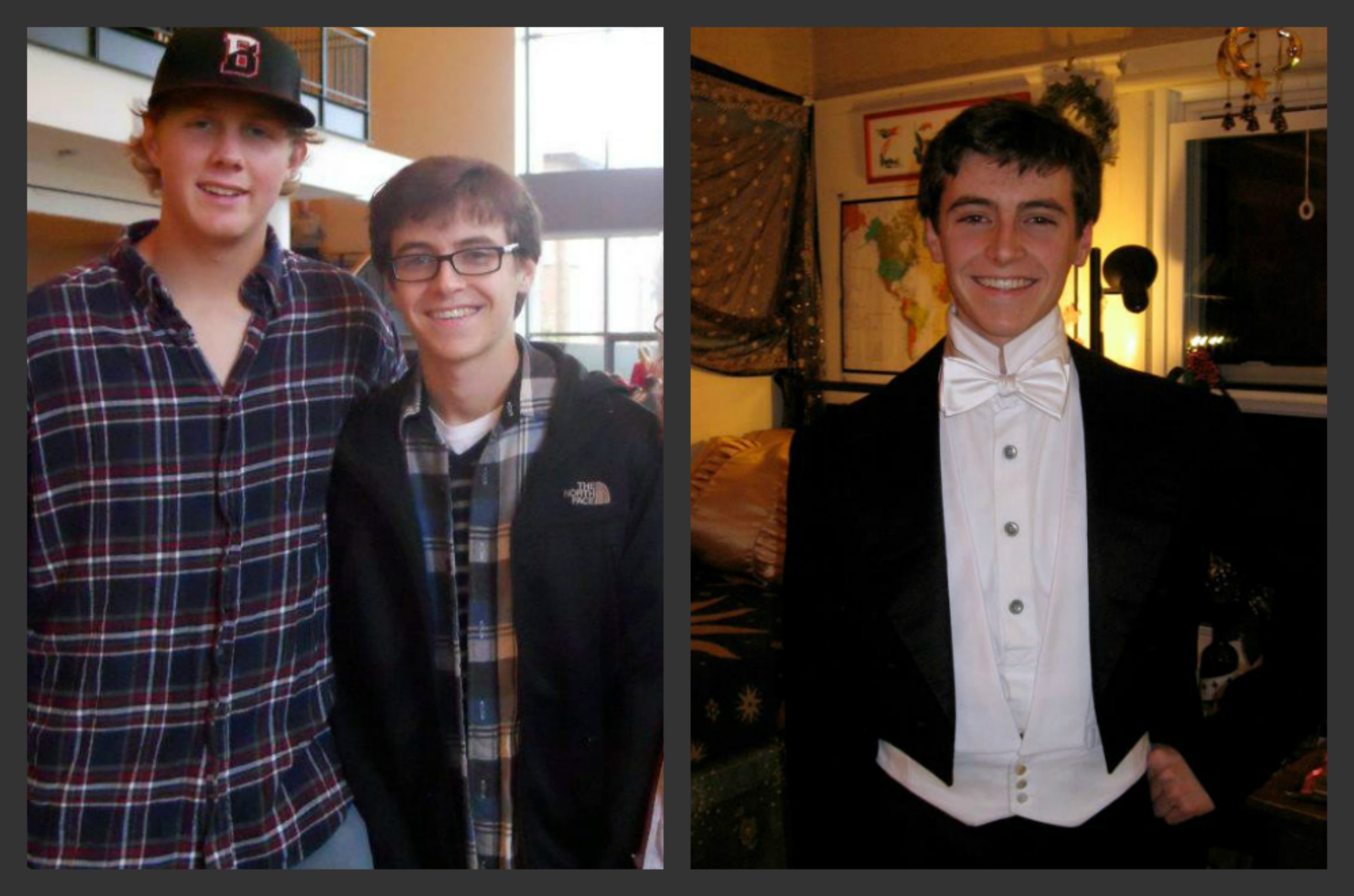
I concede (though it gives me no pleasure) that the days of dressing for dinner are past, and that going back to styles which require the assistance of a valet or ladies maid is out of the question. But surely it is not too late to bring back pride in personal appearance and the idea that different clothing is appropriate for different settings (work vs. cutting your lawn)?
Maybe what we really need is this fellow. Is he rude in this sketch—yes. Is it meant to be funny—of course. But have we all seen people dressed like this and thought they were “a turd”—I sure have.
Celebrating 15 Weeks on Sale with Another Excellent Review
Can a book have a Quinceanera? The Sister Queens has now been on sale for 15-weeks. I almost forgot because I am hard at work on a new, 16th century, novel. Still a little celebrating is in order lest the toddler book get jealous of the new baby book. And just in time for the little anniversary party the novel received an excellent review from The Medieval Bookworm. Meghan kindly calls The Sister Queens:
an excellent work of historical fiction . . . . Certainly the best I’ve read this year set in the Middle Ages.”
and says:
It’s in part the relationships between the sisters, though, that makes this an excellent book. Yes, they have their children and their husbands, but they also always have one another, and it’s the sort of heartwarming female relationship that doesn’t always dominate mainstream fiction in quite the way it should.”
Cue the confetti!
The Sister Queens Makes Two “Best of 2012” Lists!
Oh look . . . a fourteenth thing to be grateful for before the week is out! In celebration of BookExpo America, a number of book bloggers who couldn’t make it to New York are holding an “Armchair BEA.” Part of those on-line festivities includes compiling “Best of 2012” lists and I’ve just found out that The Sister Queens made two! Thank you Michelle at The True Book Addict and Kristin at Always With a Book!